
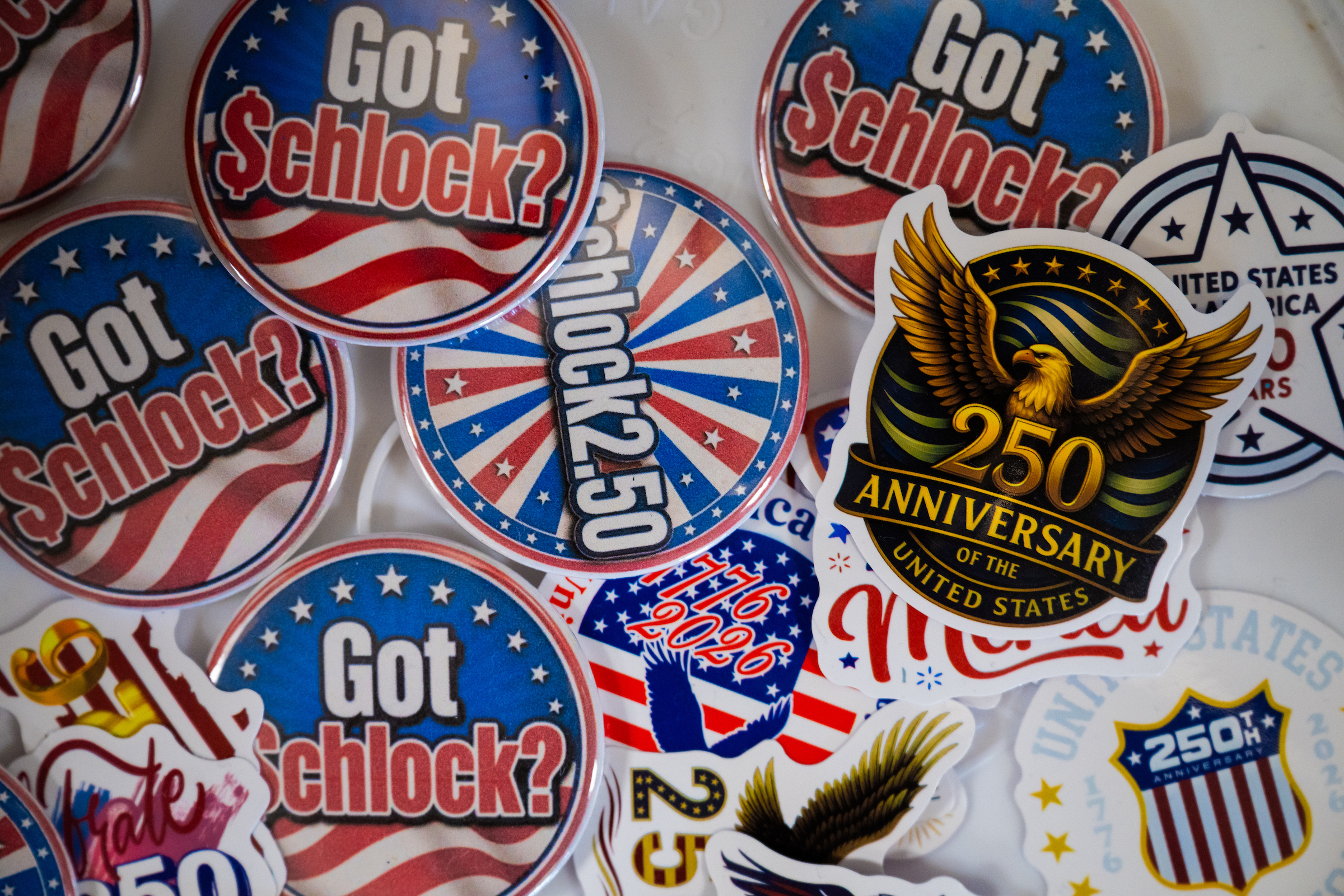
On July 4, America will celebrate the 250th anniversary of the adoption of the Declaration of Independence, and one message is being heralded to those across the political spectrum: it’s time to shop!
Red, white, and blue merchandise fills store shelves. An Amazon search for “America 250” generates more than 50,000 results, with countless low-cost options from glitter sticks and temporary tattoos to earrings and hats.
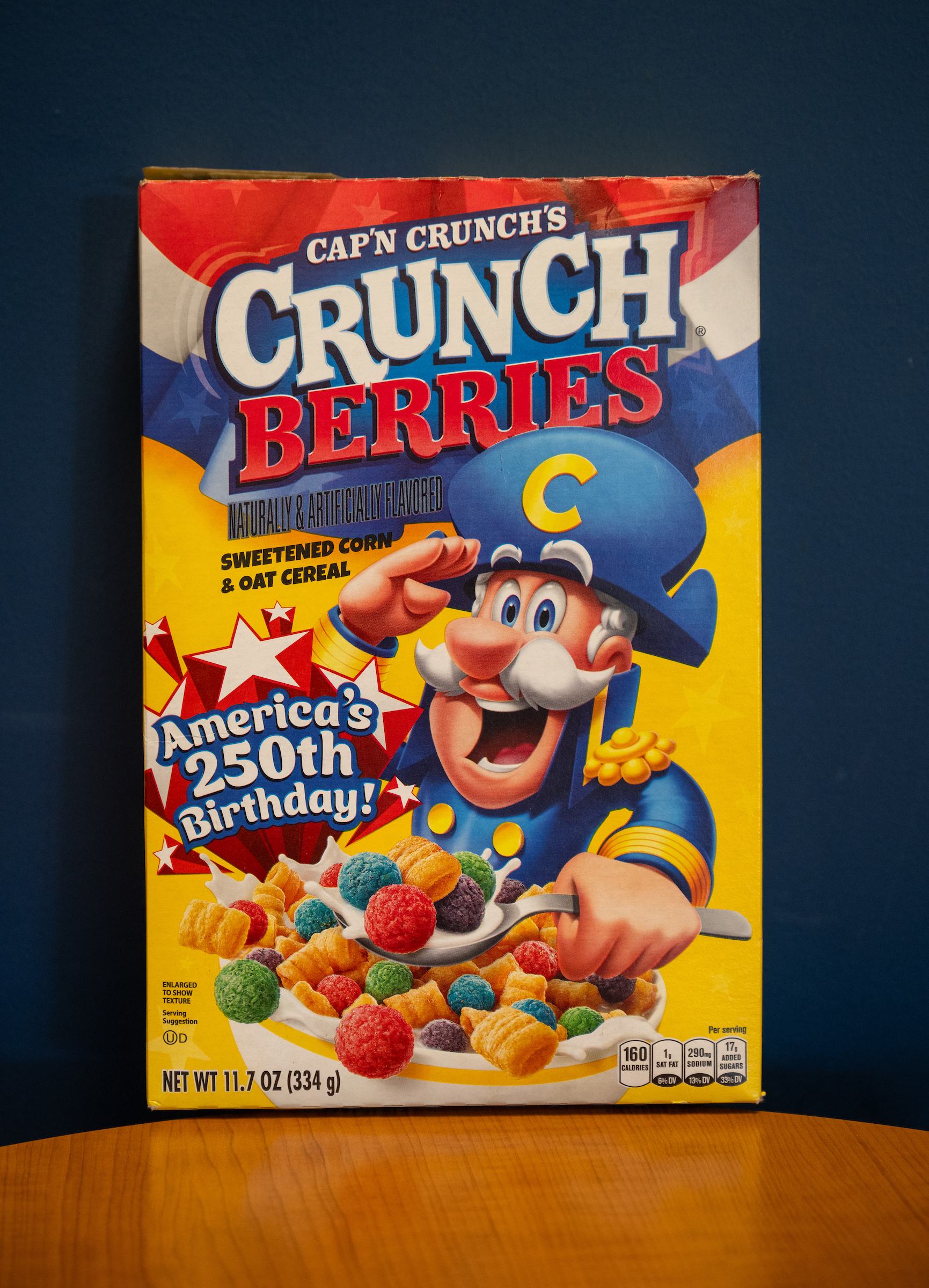
Brand tie-ins also are driving sales. General Mills released 79 limited-edition products inspired by America’s 250th anniversary, including Pillsbury Toaster Strudel Stars and Stripes.
The Curators
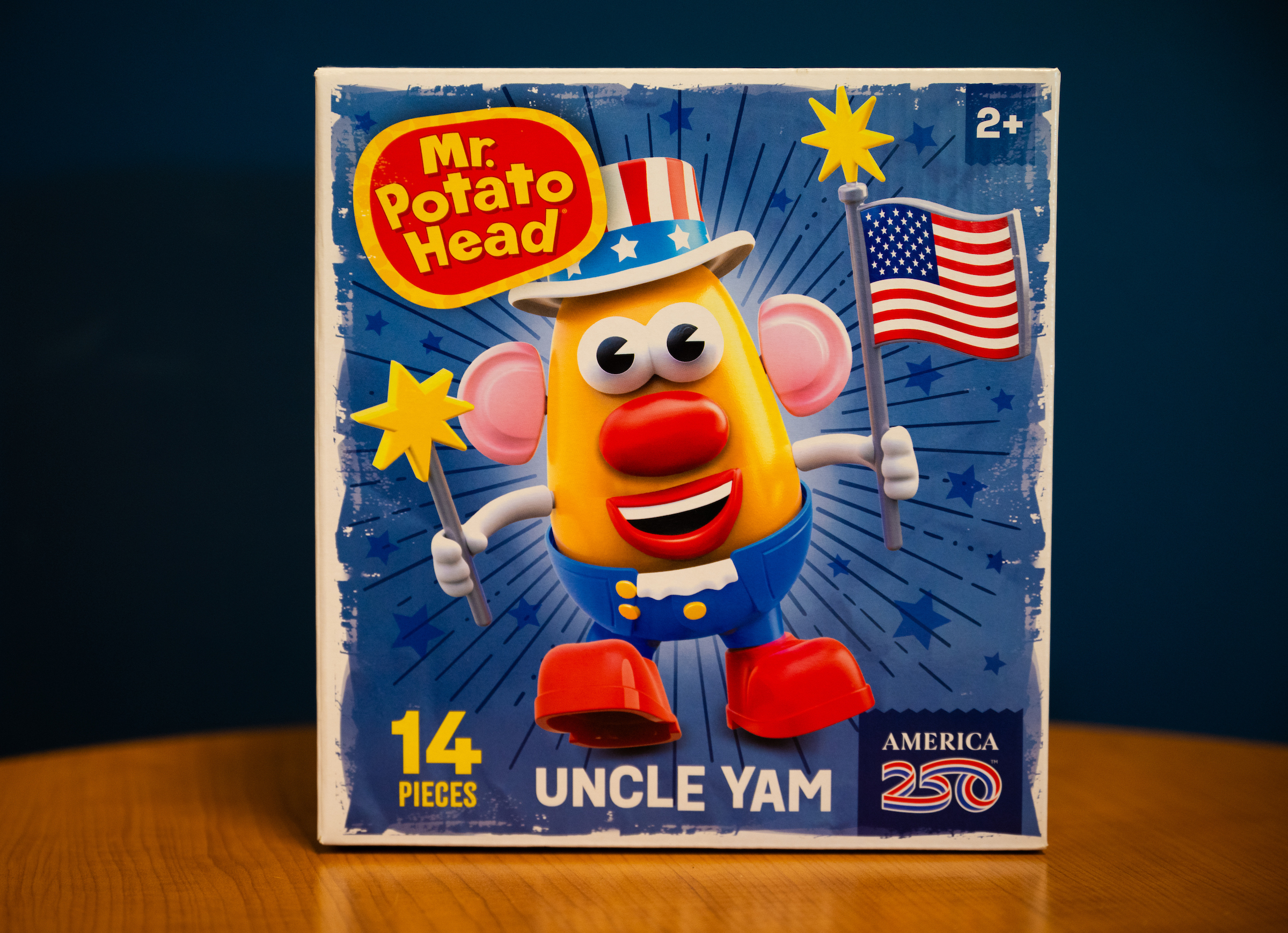
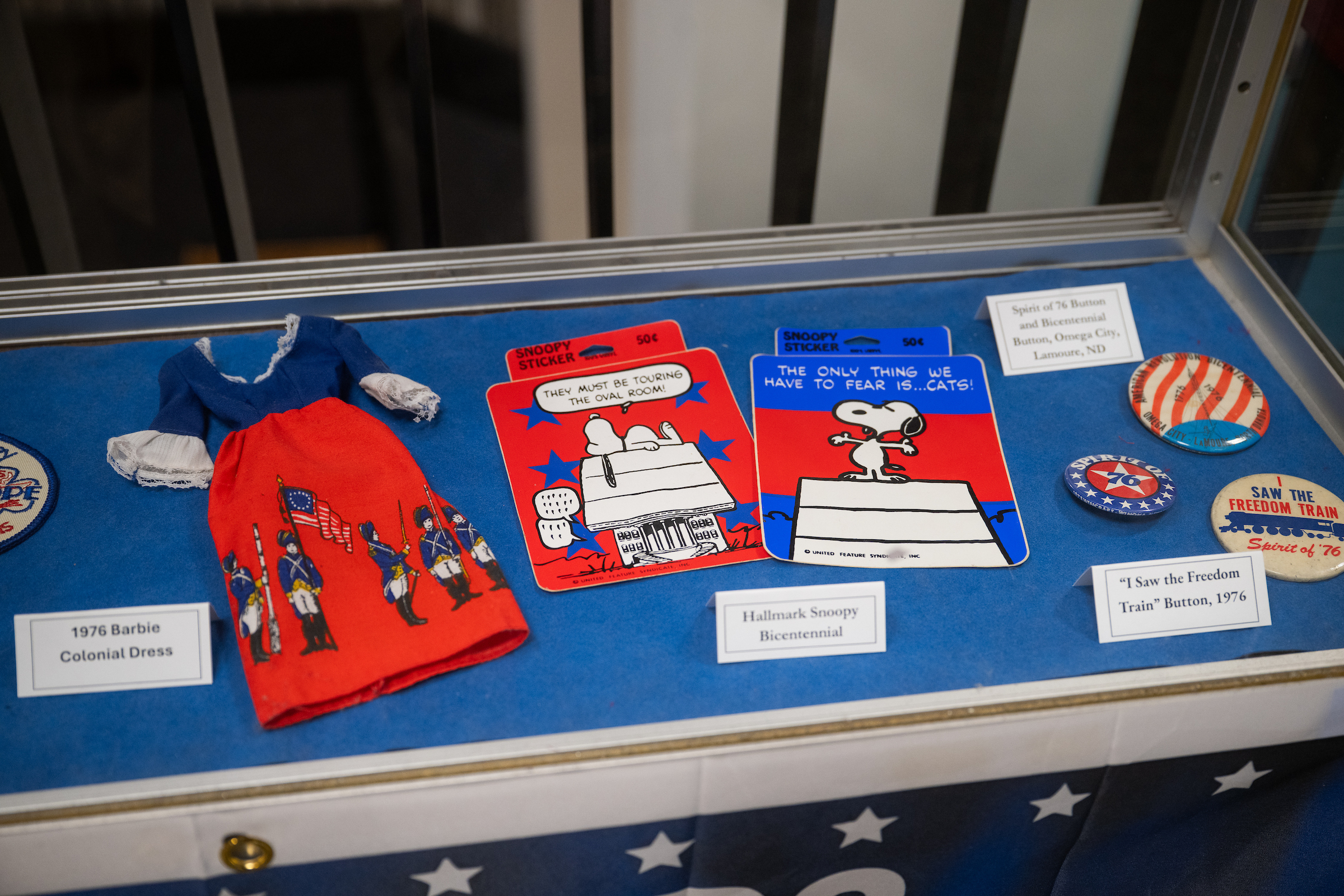
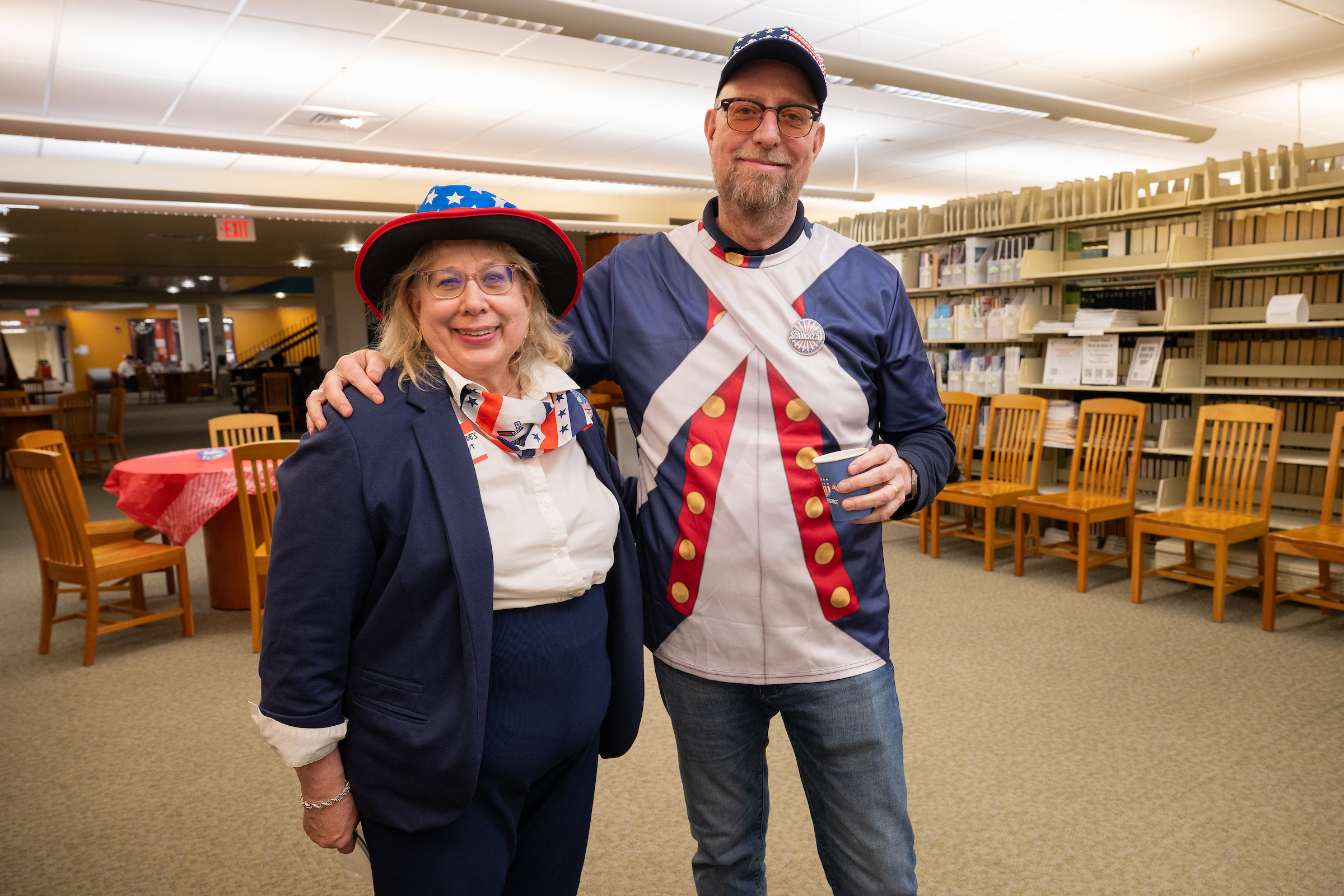
Schlock 2.50 Buying and Selling “American” Patriotism™ in 1976 and 2026 — a temporary exhibit at Southern’s Hilton C. Buley Library — showcases how the nation’s 200th and 250th anniversaries are reflected through everyday mass-produced items.
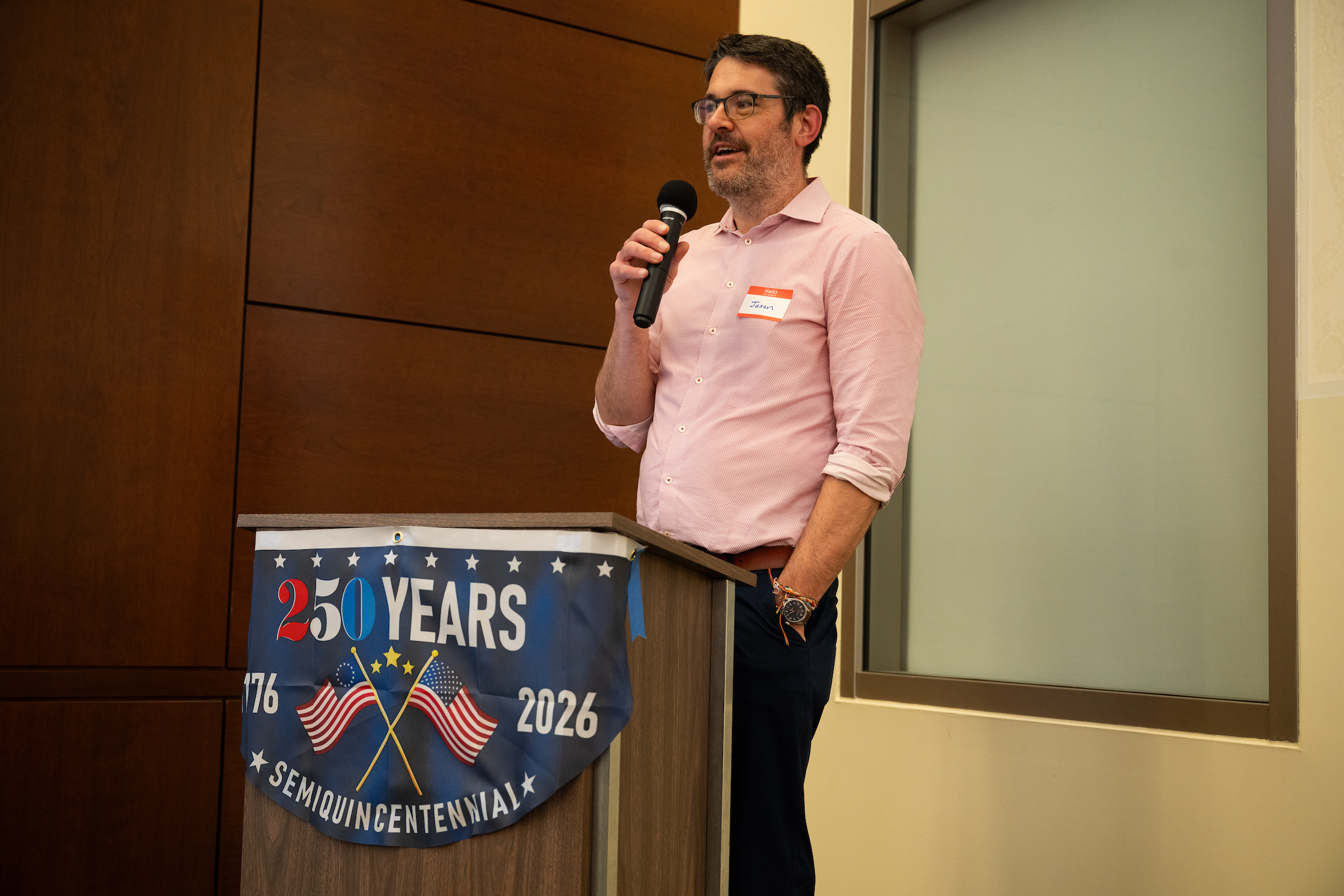
Jason Smith, associate professor of history at Southern, is the mastermind behind the student-produced exhibit, which is the culmination of a special course, Commemorating 1776 in 2026. The class was inspired by a 1976 effort by historian Jesse Lemisch, whose students collected Bicentennial memorabilia now housed at Yale University’s Beinecke Library. Smith’s class built a modern-day version of that archive. Their collected items range from clothing to beverage cans. Digital-era artifacts, not available during the U.S. Bicentennial, are also showcased.
Lemisch’s students spent less than $1,000 on their entire collection of 1976 memorabilia. For 2026, each item in the collection cost under $10. Students listed Walmart, Dollar Tree, and eBay among their favorite haunts.
“These are things that might seem trivial, but actually they tell us a whole lot,” Smith told reporter Ann Nyberg, while discussing the Schlock 2.50 exhibit on her namesake show on WTNH News 8.
The Course of History
Curating an exhibit was a new experience for both students and professor. Smith notes that he is not a public historian, nor is the American Revolution his research focus. Still, he was an ideal person to lead the charge, a self-described “sometimes historian of memory and commemoration” who has researched and taught both subjects.
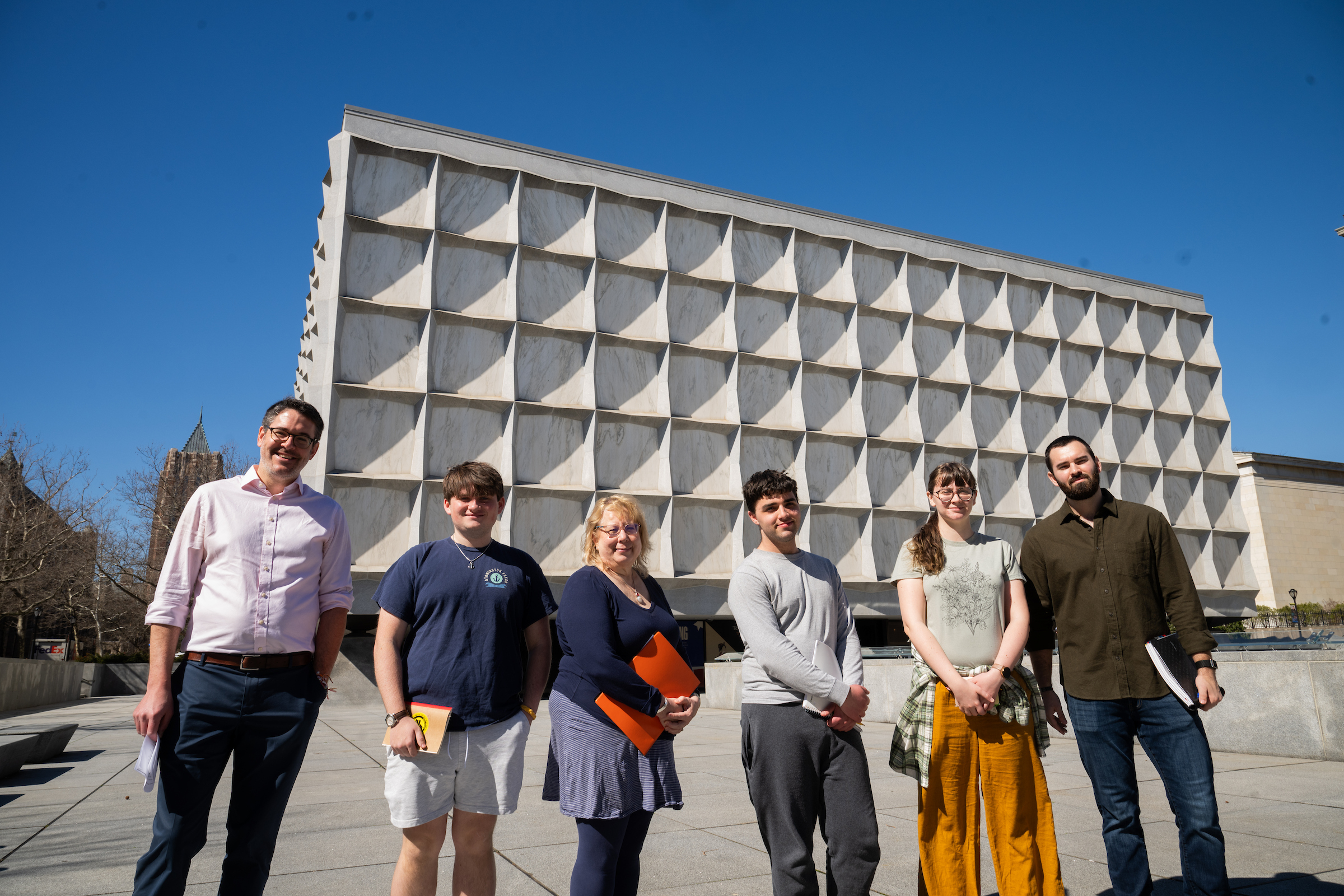
During the course, held three times a week in the Spring 2026 semester, students discussed readings about the Bicentennial, the issues surrounding this year’s 250th anniversary commemoration, and the broader popular memory of the American Revolution. Each completed an oral history project, interviewing someone about their memories of the Bicentennial. The course also included an inspirational visit to the Beinecke Library to view items gathered by Lemisch’s students from 1976.
Finally, they hunted for American Schlock to showcase in the exhibit.
History’s Detectives
“Yale and Southern have become the collective holders of ‘American Schlock’ from the last 50 years. New Haven is at the epicenter,” says Lisa Brandes, a graduate student studying American history at Southern. An adult learner, Brandes enrolled at Southern in 2024 after retiring from Yale University, where she was the founding director of the McDougal Graduate Student Center and the assistant dean for student affairs at the Yale Graduate School.
Clearly committed to lifelong learning, Brandes holds three graduate degrees from Yale University, including a doctorate in political science. Now free to study what she chooses, she found Smith’s course checked several important boxes. It was experiential, provided an opportunity to connect, and involved interesting work in the community. As the only member of the class with firsthand memories of the Bicentennial, Brandes offered a living connection between the commemorations of 1976 and 2026. “I enjoyed the quest,” she says about the hunt for schlock from both historical milestones.
At the exhibit’s opening reception, historian Michael Hattem, author of The Memory of ’76: The Revolution in American History, spoke about the ways Americans have remembered and commemorated the Revolution across generations. His remarks underscored one of the exhibit’s central themes: that even seemingly ordinary consumer products can reveal how Americans interpret their national past.
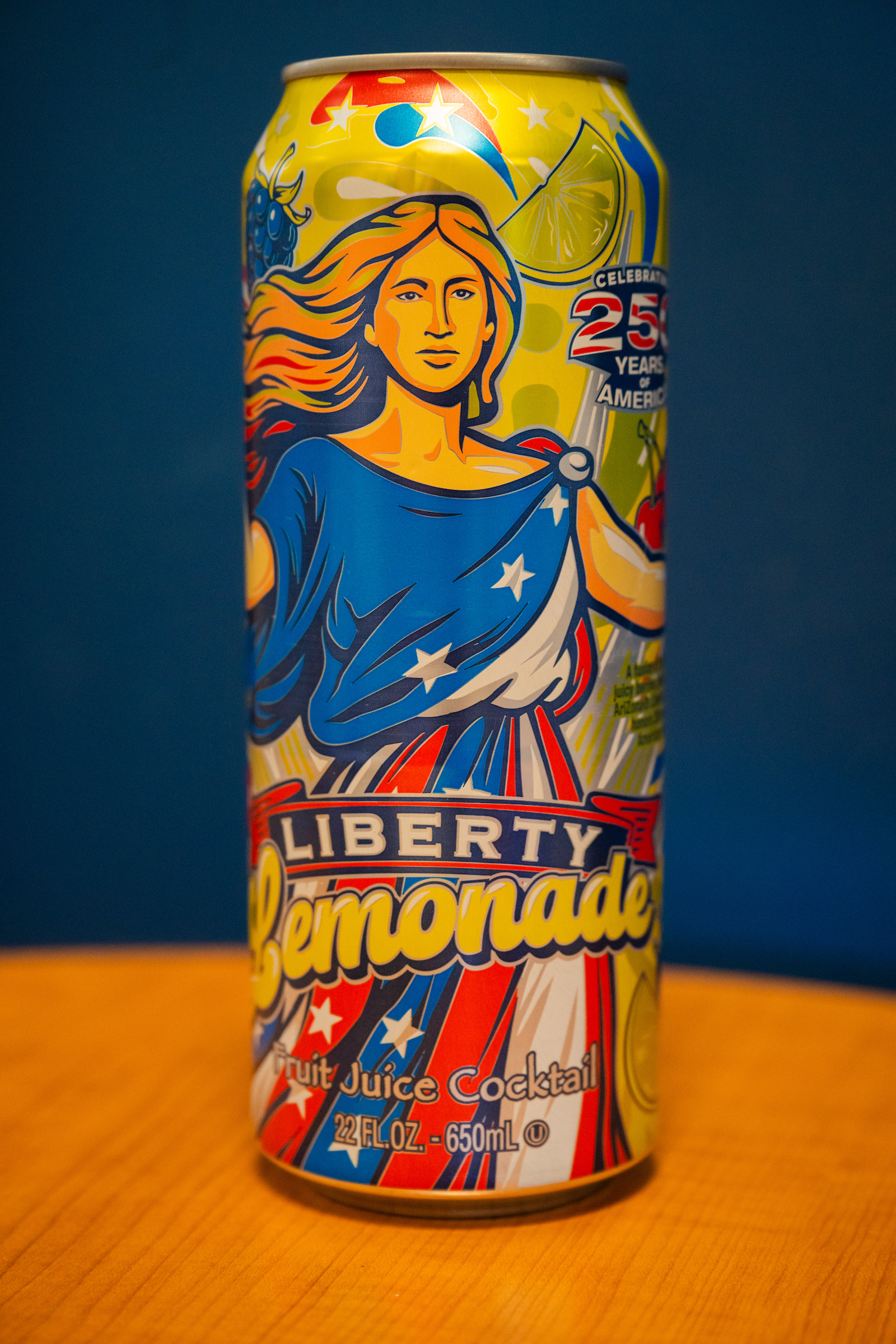
For Kelly McAndrews, who graduated magna cum laude with a degree in history in May, the course offered a rare opportunity to create a small, museum-quality exhibit. “It was my first time doing anything like this. We were all learning together,” she says. Her favorite item is an early find: two Arizona Liberty Lemonade cans featuring an illustration of a woman dressed in red, white, and blue.
Junior history major Jack Ryon recalls the thrill of finding a beer can from D.G. Yuengling on eBay. The company, founded in 1829, “uses patriotic marketing because it’s the oldest continuously running brewery in the country. The design is simple, but gets the point across,” Ryon says.
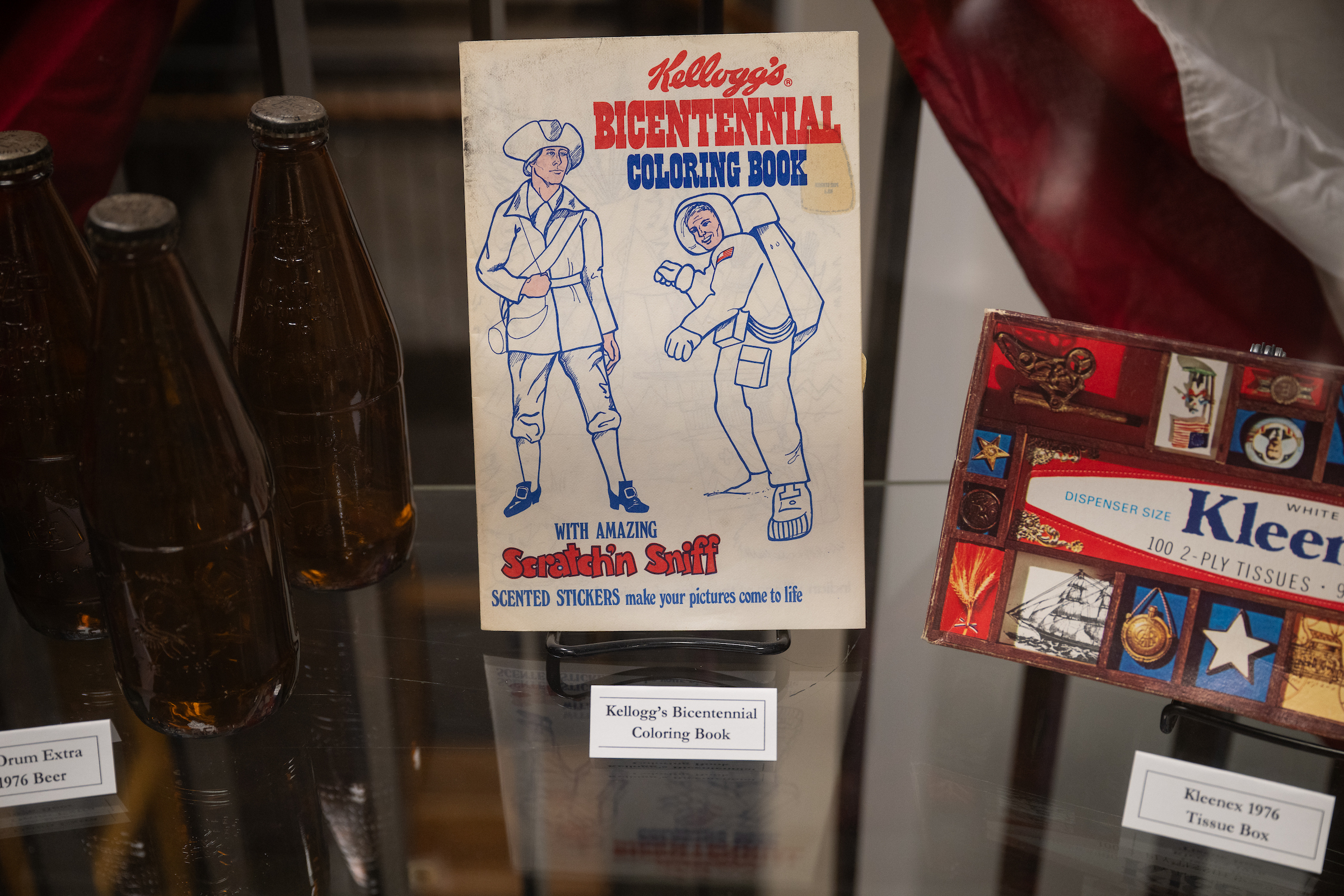
Another student, a transfer from Florida enrolled in Southern’s accelerated program leading to both undergraduate and graduate degrees, was fascinated by a different discovery. While examining a 1976 cereal box at the Beinecke Library, the class found an advertisement for a free scratch-and-sniff coloring book commemorating the Bicentennial. A fellow student later tracked down a copy on eBay and purchased it for the exhibit. Remarkably, the scratch-and-sniff features still worked nearly 50 years later. The coloring book offered a glimpse into how a major corporation like Kellogg’s translated historical milestones into children’s marketing during the Bicentennial era.
For Smith, teaching the course and launching what is “surely the most eccentric exhibit to commemorate the Semiquincentennial in all the land” has been a labor of love, especially in such divisive times. “History can heal us,” he says.
Sadly, he’s unlikely ever to teach a version of Commemorating 1776 in 2026 again. America will celebrate its tercentennial on July 4, 2076. Smith, who will be 93 years old, remains optimistic. “So, there will be lots of time to consider changes to make this course even better,” he says.