
Many Connecticut residents can still remember the 1983 collapse of the Mianus River Bridge on Interstate 95, a tragedy that was found to be a consequence of corrosion, one result of deficiencies in the state’s bridge inspection and maintenance system.
While that disaster led Connecticut to improve its inspection program, concerns about aging infrastructure remain a national issue. Today, of the more than 620,000 bridges in the United States that span highways, rivers and other obstacles, more than 220,000 need repair, and another 75,000 should be replaced altogether, according to the American Road and Transportation Builders Association. Identifying damage early can help transportation agencies prioritize maintenance and potentially reduce the cost of more extensive repairs later.
Inspecting those aging structures for cracks and other signs of deterioration is a critical part of keeping them safe, but traditional methods of inspection can be time-consuming, costly, and sometimes hazardous.
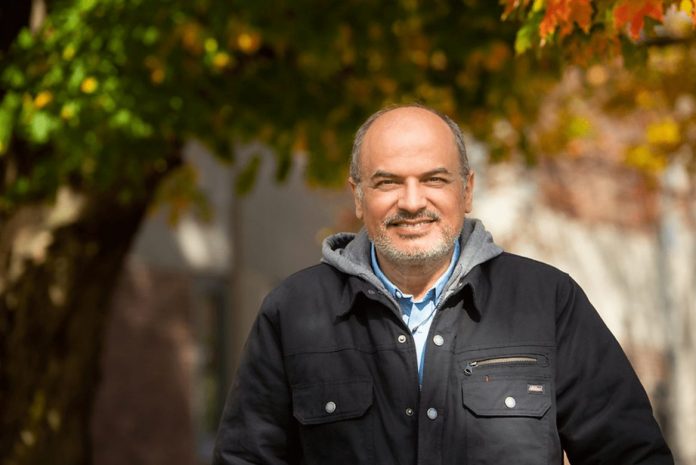
Enter Computer Science Professor Alaa Sheta, who believes emerging technologies can help. Sheta has developed and tested a drone-based inspection system that uses artificial intelligence to detect cracks in bridges quickly and efficiently. Using a very small drone that weighs only 50 grams and is equipped with a camera, along with a data set for bridge cracks affixed to a wall in the lab, and a software model he built to recognize bridge cracks, Sheta takes a stream of video with the drone. The video stream goes to a server, which then analyzes the images and detects whether or not a crack is present.
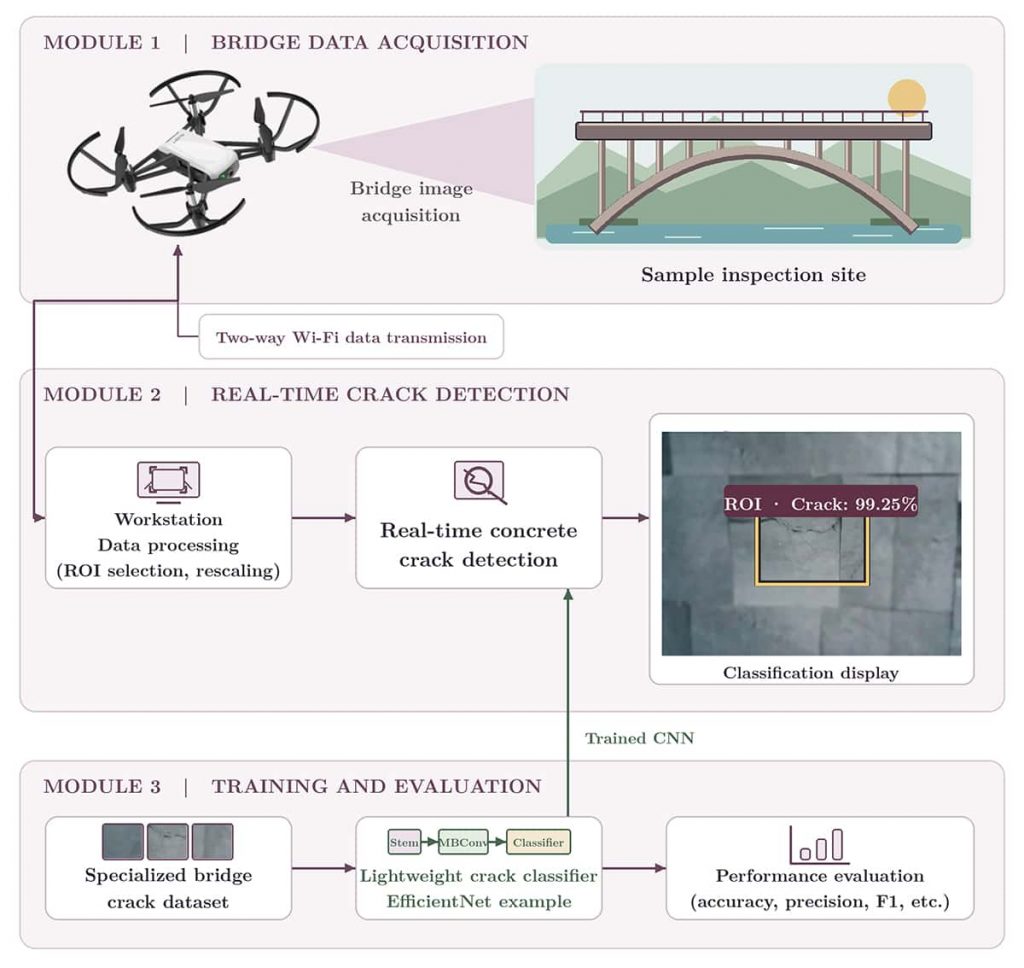
His research, published in the Journal of Advanced Computer Science & Technology in the article “An Innovative UAV-Bridge Crack Detection System Using Deep Learning,” describes a system that uses a drone to capture video of bridge surfaces while AI-powered software analyzes the footage in real time for signs of cracking.
To train the system, he used thousands of images showing both cracked and undamaged concrete surfaces. Over time, the AI learned to distinguish between the two. Sheta found that the system could identify cracks with a high degree of accuracy during testing.
Sheta tested the system in a laboratory environment rather than on actual bridges, as field testing would require additional permissions and logistical planning. But he says that the results of his study demonstrate the potential of combining drones and AI for infrastructure inspection.
Traditional bridge inspections often require engineers or inspectors to physically access hard-to-reach areas using ropes, lifts, or specialized vehicles. According to Sheta’s study, those methods can expose workers to hazardous conditions while adding significant costs and time to the inspection process.
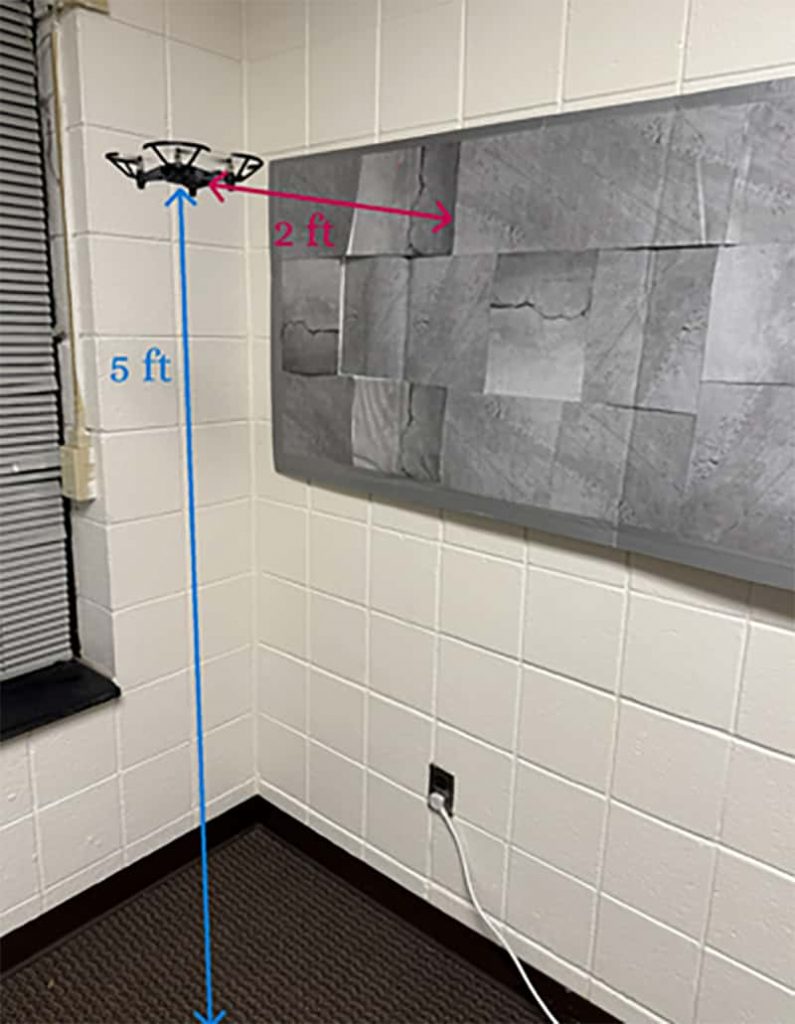
Drone-based inspections could help address many of those challenges by allowing inspectors to evaluate structures remotely while AI assists in identifying areas that may require closer attention. Sheta hasn’t taken his inspection system beyond the lab because, as he points out, “to fly a drone for the federal aviation, there are requirements,” and his drone is too small.
But for the purposes of his research, “the drone in this case is basically just a tool that collects the images or the stream of video,” Sheta said.
The key component of the system is the AI-powered software that analyzes those images automatically, helping inspectors identify potential problem areas more efficiently and reducing reliance on solely manual visual inspections.
Sheta sees significant promise in combining drones with AI-powered image analysis for infrastructure monitoring and other real-world applications.
As transportation agencies nationwide confront the challenges of maintaining aging bridges and other infrastructure, technologies that can help inspectors identify damage more safely and efficiently are attracting growing interest. Sheta hopes his research demonstrates how artificial intelligence can serve as a practical tool in that effort.
